
1. Introduction
Diabetes is one of the most common lifestyle-related health conditions, affecting millions of people worldwide. It can develop gradually, and in many cases, a person may not notice the early symptoms.
Recognising the warning signs of diabetes early can help you get the right medical advice, undergo appropriate tests, and take steps to prevent complications. Some symptoms may appear mild at first, but they should not be ignored when they persist.
2. What Is Diabetes?
Diabetes is a chronic condition in which blood glucose, or blood sugar, levels become too high.
Normally, the hormone insulin helps glucose move from the bloodstream into the body’s cells, where it is used for energy. In diabetes, the body either does not produce enough insulin or cannot use insulin effectively.
Over time, consistently high blood sugar can affect various organs and increase the risk of complications involving the heart, kidneys, eyes, nerves and blood vessels.
3. Early Warning Signs
1. Frequent Urination
Needing to urinate more often than usual, especially at night, can be an early sign of high blood sugar. When glucose levels rise, the kidneys work harder to remove excess glucose through urine.
2. Excessive Thirst
Frequent urination can cause the body to lose more fluids, leading to increased thirst. If you constantly feel thirsty despite drinking enough water, it is worth discussing the symptom with a doctor.
3. Increased Hunger
Some people with diabetes experience unusual or persistent hunger. When glucose cannot enter cells effectively, the body may not be able to use it properly for energy, which can contribute to increased appetite.
4. Unexplained Weight Loss
Losing weight without deliberately changing your diet or exercise routine should not be overlooked. When the body cannot effectively use glucose for energy, it may begin using stored fat and muscle for energy.
5. Persistent Fatigue
Feeling unusually tired or lacking energy, even after getting adequate sleep, can sometimes be associated with uncontrolled blood sugar levels. Persistent fatigue can have many causes, so proper evaluation is important.
Other Symptoms to Watch For
Some people may also experience:
- Blurred vision
- Slow-healing cuts or wounds
- Frequent infections
- Dry or itchy skin
- Tingling or numbness in the hands or feet
These symptoms do not necessarily mean you have diabetes, but persistent or multiple symptoms should be evaluated by a healthcare professional.
4. When Should You Consult a Doctor?
You should consider consulting a doctor if you notice persistent symptoms such as excessive thirst, frequent urination, unexplained weight loss or ongoing fatigue.
A doctor may recommend blood glucose testing, such as a fasting blood glucose test or HbA1c test, depending on your symptoms and risk factors.
Regular screening can also be important for people who have risk factors such as being overweight, having a family history of diabetes, having high blood pressure, or leading a physically inactive lifestyle.
Early diagnosis gives you an opportunity to manage blood sugar levels and reduce the risk of long-term complications.
5. Prevention Tips
While some risk factors for diabetes cannot be changed, healthy lifestyle habits can help reduce the risk of developing type 2 diabetes.
Maintain a Healthy Weight
If you are overweight, even modest weight loss can have health benefits and may help improve blood sugar control.
Eat a Balanced Diet
Include vegetables, fruits, whole grains, pulses, lean protein and healthy sources of fats in your diet. Limit excessive intake of sugary drinks, refined carbohydrates and highly processed foods.
Stay Physically Active
Regular physical activity can help improve insulin sensitivity and support healthy blood glucose levels. Aim for consistent activity that suits your age and health condition.
Get Regular Health Checks
If you have diabetes risk factors or are above the recommended screening age, regular blood sugar testing can help detect problems early.
Avoid Tobacco and Limit Alcohol
Avoiding tobacco and keeping alcohol consumption within recommended limits can contribute to better overall health.
6. Conclusion
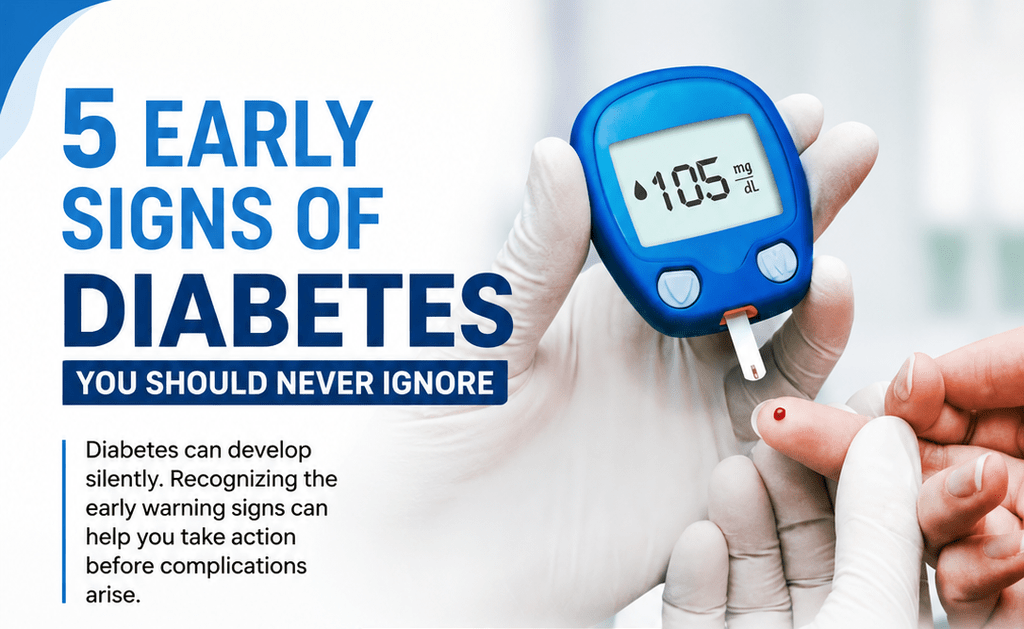
Diabetes does not always announce itself with obvious symptoms. Frequent urination, excessive thirst, increased hunger, unexplained weight loss and persistent fatigue can be important warning signs, particularly when they occur together or continue over time.
Do not rely on symptoms alone to diagnose diabetes. A simple blood test can help determine whether your blood sugar levels are within the healthy range.
If you notice persistent symptoms or have risk factors for diabetes, consult a qualified healthcare professional for appropriate evaluation and guidance.